Small achievements, small regrets

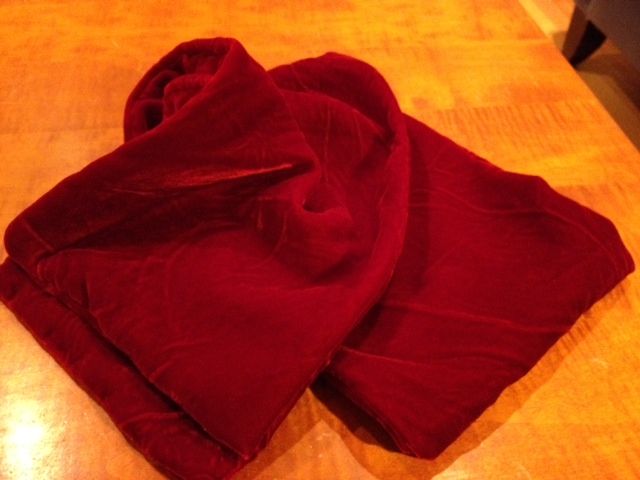
I’m trying to keep things small these days.  So those ambitious and beautiful patchwork velvet scarves recycled from old clothes — well, those haven’t been happening, except in my head.  The PLANS have been laid for a month now.  But apparently the downside of the otherwise-totally-awesome upcycling process is that you have to first “make” your “fabric.”  Which means cutting into something with many possible uses and which may or may not be replicable.  (I realize this is how you tell the newbies from the old hands in this work — the old hands know there’s always something else awesome out there.  I don’t, yet.)  So I agonize over the cutting and spend lots of time trying to decide whether to rip out seams or cut them out (old velvet: the answer is cut them out, because once the ripping is over, your fabric is likely to rip along the stitch line anyway).  Today, instead of beating myself up for not making the scarves, I decided to just make rectangles.  It took me much of the morning, since I was working with tailored garments, one of which even seemed to be bias-cut AND was heading toward its at-least-third life in my hands.

But now I have gorgeous, sumptuous rectangles that both babies want to get their hands all over.  Thank goodness for scraps.  (Or, according to the scared voice in my head who always promotes the logic of scarcity, I have now ruined the potential of several neat old garments.  Good thing I didn’t yet cut up that sweet little coat I’ve been considering.)

The other big achievement of the morning was finding Malachi in a still moment and snipping off his curly little mullet.  I did this with the relish (and, apparently, thoughtlessness) of someone who has been casually watching for just such a chance.  Once it came, I didn’t really ponder why I was taking it.  But take it I did, and the smallest among us now has more respectably short hair.  As I took the curls and the baby into the kitchen, replete with a strange sense of swollen, senseless grief, Len cheerfully announced: “No more first haircuts!”  and the tears spilled over.  Since then, I’ve also realized that winter in Maine is not necessarily the time to cut off a baby’s neck-warmer.  But I think I’m mostly just a loving mama who is hardwired for regret, and so this seems like a big one that I didn’t properly anticipate.

It’s like the life-management metaphor of juggling various balls: just know which are made of glass and which of rubber.  Cutting up fabric is really only ever cutting up fabric.  And basically, you could say the same thing about your child’s hair.  But when you realize that you just altered a particular way of being when you’d give your soul not to alter it, well, that’s a little painful.  And silly, of course.  I’m working on letting go of my attachment to his hair.  But I will say this: I’m looking forward to it growing back.

One of the ways you know you’re living with the right people

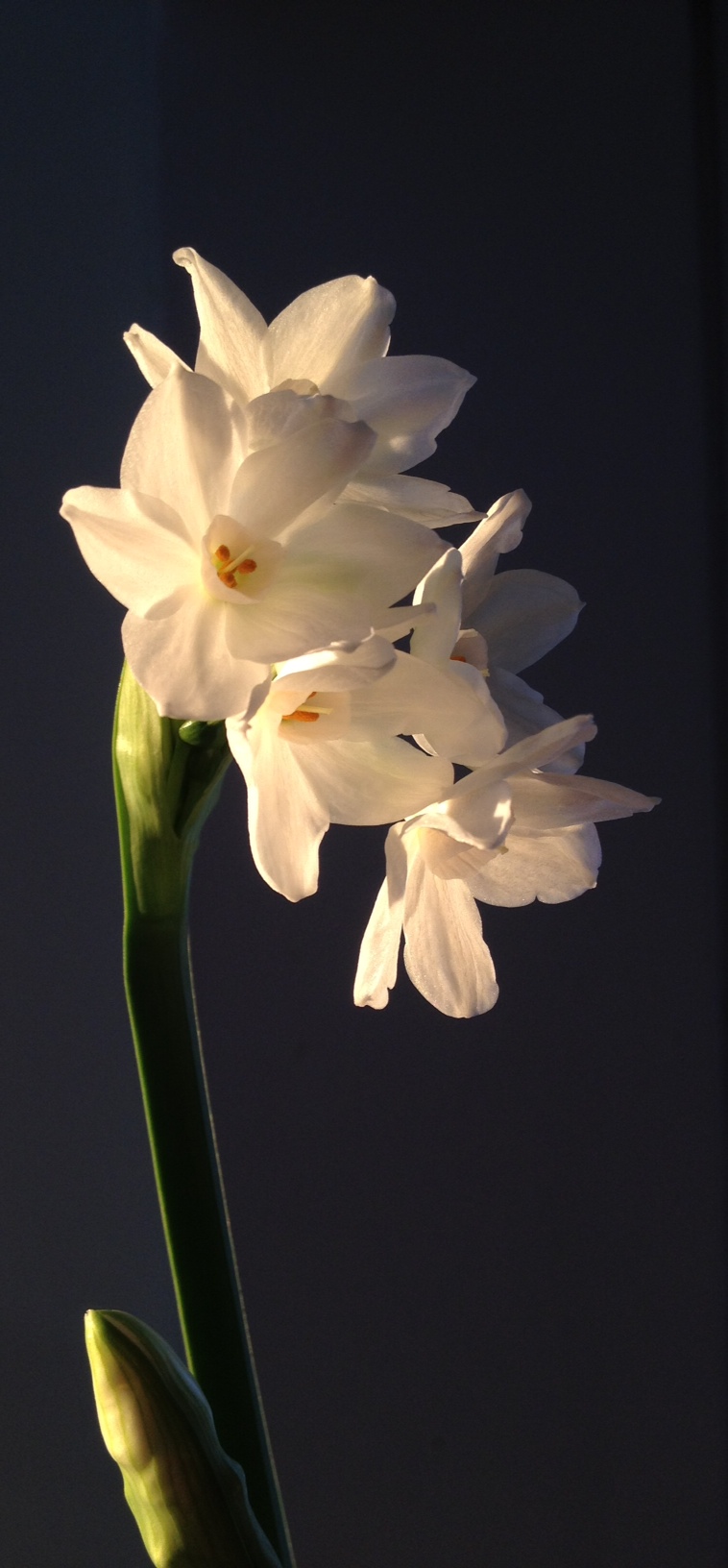
backlit paperwhite

This morning was a hurried morning, as they usually are.  Potty training isn’t making life any easier yet.

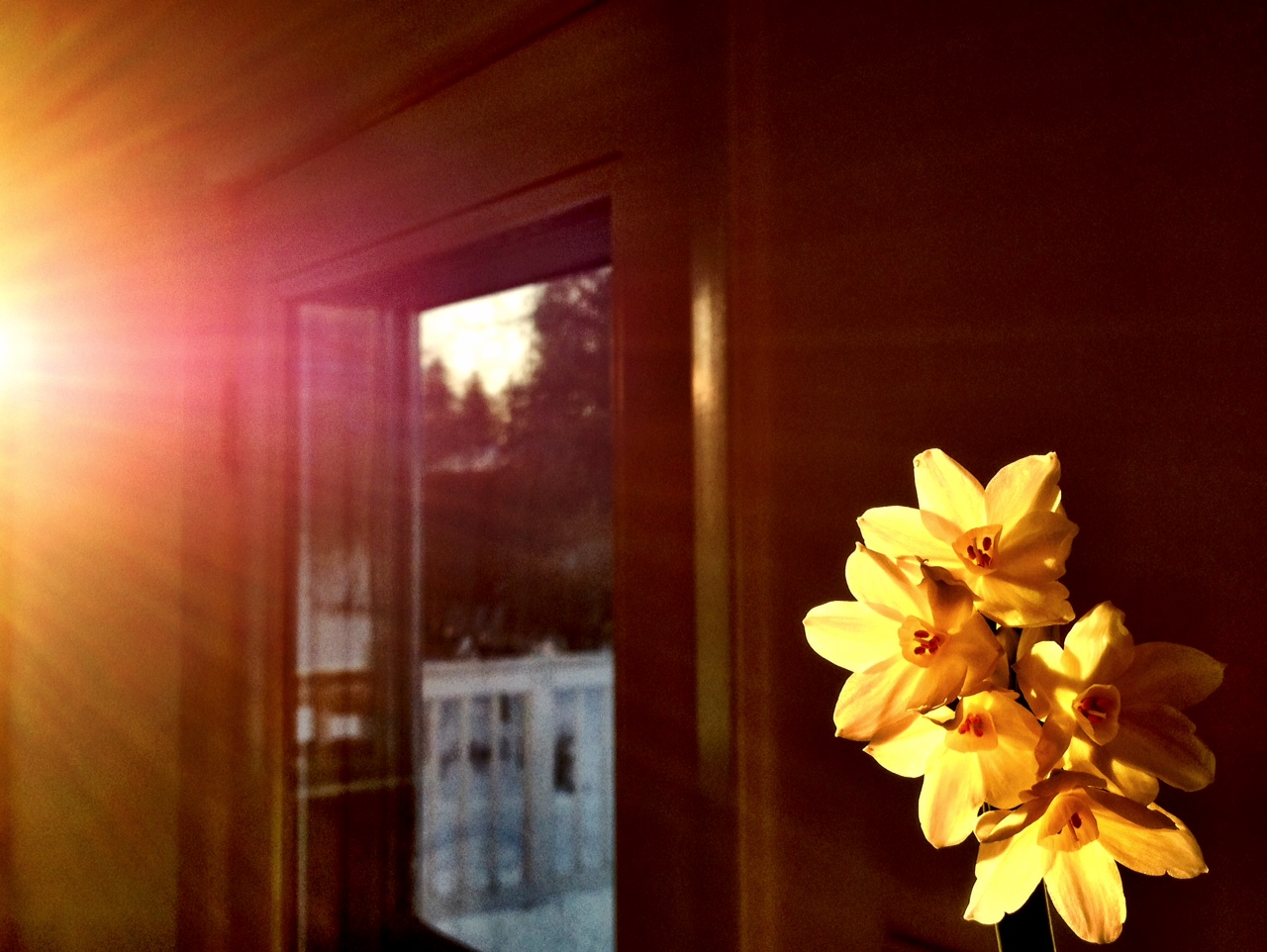
Malachi surprised all of us by sleeping tall paperwhitewell from midnight to 6, so he awoke confused and starvacious. Ezra announced he did not sleep enough, which was why he was sad and grumpy and unable to use his big-boy voice.  There were Cheerios everywhere and Sunbutter on my sleeve and coffee splatter on Len’s work tie.  In the midst of all this noise and hustle, the sun rises above the neighbor’s trees and beams directly in the eastern window, backlighting the newly-unfurled  paperwhite so that it glows, transformed, a fierce beacon on a fragile stalk.  Ezra and Len and I stare amazed for a moment before I grab my phone/camera; then Len grabs his and Ezra starts grabbing at our waists for us to lift him up to see. Malachi, strapped into his high chair, spends some time trying to owl his neck all the way around and then gives it up, content to eat and watch us watching.  Where else, I ask you, would I find people so willing to let their lives be altered by such a brief moment of beauty?  Who else would see this and drop everything to stand in its light, breathing more quietly while we wait for the sun to shift?

On letting go of the story line

Pema Chodron, in various of her works, talks about “letting go of the story line” as one of the crucial skills that enables us to stick with the practice of living, of being present to our lives.  I had never even heard the concept until I went to a retreat she was running at Omega when I was 35 weeks pregnant.  The retreat was called “Smiling at Fear,” which seemed like a good idea, as I had just left not only a job but a whole career I’d spent 15 years building AND I was about to have my first child.  I was working and working at the concept of befriending my negative emotions and I just couldn’t see how you make friends with a runaway train and I was feeling the old desperation rise up in my throat.  But then she said that about the story line, and how we spend so much of our lives acting out particular stories that we feel define us, and all of a sudden I could see it.  Even THIS, the process of wanting to shift something and not being able to, was a story line I was committed to.  So what happens if we let go?  Well, it turned out that letting go of that one meant that I could just BE there — in a beautiful warm room with two extraordinary friends and several hundred other fascinating people.  With a wise and holy teacher before me and another one inside me: that joyful acrobat in my belly has never since stopped teaching me.  I was able to breathe, to stretch, to sit in quiet and gratitude.

I think often of the challenge of setting down the story line, and less often I actually remember to do it.  But sometimes life surprises me.  Yesterday, for example, was full of surprises.  My 14-year-old car had been making some terrible noises, and I realized that I really didn’t want it on the road, much less carrying me and my two precious babes.  I had convinced myself that it was a clutch problem, or worse, and that now, here, finally was the repair job that would be the death of Hubert (yes, after the excellent bloodhound in Best in Show.  We generally name our cars after dogs).  So I prepared for the worst by doing what I do: managing for time and money.  We spent some time looking up used cars online, and I concluded that Tuesday’s lineup of meetings would give me only four hours for car repair, so we’d better the diagnostics done Monday.  I called the shop (Center Street Auto in Auburn, Maine — if ever you need anything, they ROCK), and they graciously agreed to take a quick look for diagnostics if I came in at 11.  So both boys and I “took Hubert to the car doctor.”  Twenty minutes later, they handed back the keys, having identified and fixed a loosening wheel (!!!).  No cost, no trouble, no major life shift.  Oh!  Look at that.  I had the story all wrong.  Which is reason number 2 for setting down the story line: first, it makes you crazy if you let it define your life, and second, you might not even have the right story.

When we get home, I gratefully remove all the winter accoutrements from our three persons and head to the kitchen to figure out lunch.  But there’s water in the disposal (which is the only drain in our kitchen sink and which, we know from past experience, has no main drain cleanout beneath it, so any serious problem in the pipe becomes a serious plumbing issue in the house).  AH, I think.  There it is.  Not the car but the plumbing.  THAT will be our major problem.  But before I despair completely, I figure I’ll do the recon I’d feel stupid to skip: and of course, the under-sink unit had merely become unplugged somehow.  Crisis averted.  Story line aborted.  Or perhaps there’s a different story line starting to form: maybe I am a resourceful protagonist who can sometimes solve her own problems and so doesn’t need to freak out about them.  Everything in its own time, eh?

It was a sunny day, and warm (upper 20’s), and we still had a nice foot of snow on the ground, so I hauled both boys outside after naptime.  The storyline there is about hassle pre- and post- and about crying over snow in the wrists while we’re out there.  But I announced we’d have outside time, and by golly we did.  Ezra helped me pull Malachi in the little red sled and went down the hill twice himself; he even made the lower half of a snow angel. Twenty minutes of enjoyment outside and we went in for warm snacks.  The sun slanted glowingly into the kitchen; the neighbors’ trees were all bronzed and rosy at their tips; the startlingly clear sky showed not one but three jet trails, brighter than light, converging slowly toward Portland. Of course there’s going to be whining, I thought.  Of course the snow gets in at our wrists, right where our skin is most fragile and thin.  But this does not mean we stay inside.  We try to remember that we will warm up again; we zip up and tuck in and open our eyes to the sky.

Because we’re a strange species

I wasn’t going to post tonight, because I’m tired and don’t have much to say.  My only real news is that I’m planning NOT to watch the Downton season premier because I can’t afford to lose two precious hours of sleep and I assume it’ll be streaming all week on PBS.  THAT’S the kind of day I’m having, friends.  But hey, it’s not bad.  I can handle it.  I thought to myself: I’ll just log onto Amazon quick and find me a wall calendar, because it’s been irritating that we don’t yet have one for our kitchen wall where we write down our shared lives.  (And without which no one gets anywhere.)

And then I saw the array of calendars at Amazon.  This is, honestly, the order in which they are appearing on the current page:

Hunger Games

Mystique X-Posed (yes, it’s porn)

Extraordinary Chickens (yes, it’s about poultry: the cover bird has a fabulous bouffant obscuring most of its face)

Victoriana

Nuns Having Fun

Game of Thrones

Harley Davidson

People, we are a strange and wonderful creation.  Or at the very least, strange.  You may wonder: what did I settle on?  Pema Chodron.  I need all the help I can get in remembering mindful living, though I suspect that these calm images and centering words may have the opposite effect on a bad day.  What the heck.  Won’t know till we try.

On actual crafting (as opposed to planning to craft)

You’ve all seen it: “Stop pinning; start making things.”  It’s good advice.  And many of you probably do handmade holidays like we do.  So there’s a persistent sense of always needing to be making things, and therefore always resisting making things, right up until the holiday is over.  Then it’s time for self-recrimination about the lame little thing you ended up making instead of the bastion of glory you INTENDED to make, and then onward and upward to the stout promises for better work next year.  Somewhere after that, a beautiful thing happens: you relax. And with relaxation comes clear vision, for the first time in months.  You love crafting!  You made some beautiful things!  And you have some nice ideas for a few more that you’re looking forward to making in these cold, dark months.  (If you’re like me, you may have even invested recently in decent lighting and perhaps been inspired to move things around and clear out space for easier access and better child-management during the work.)

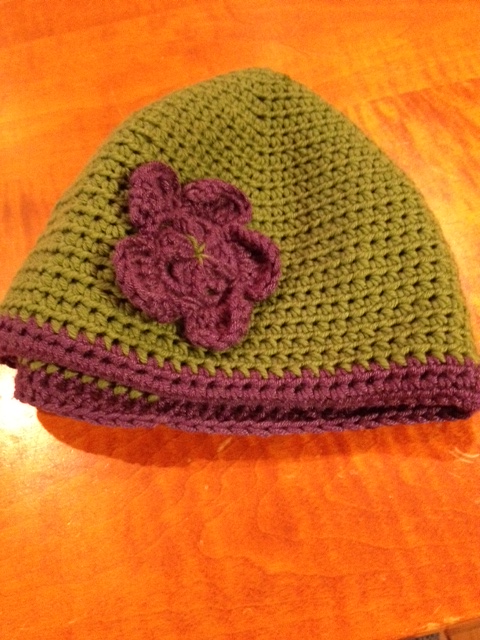
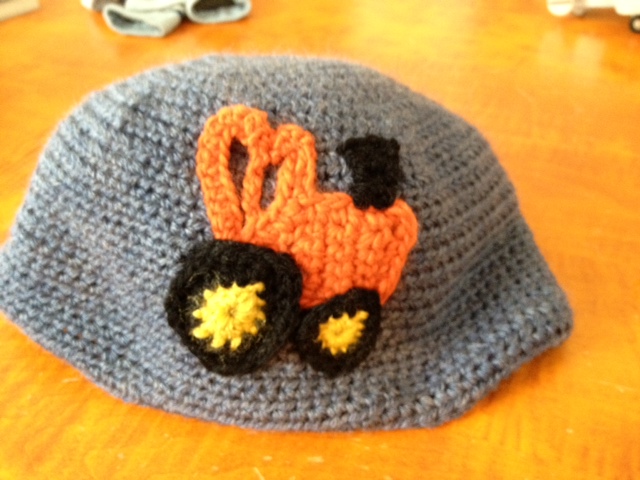
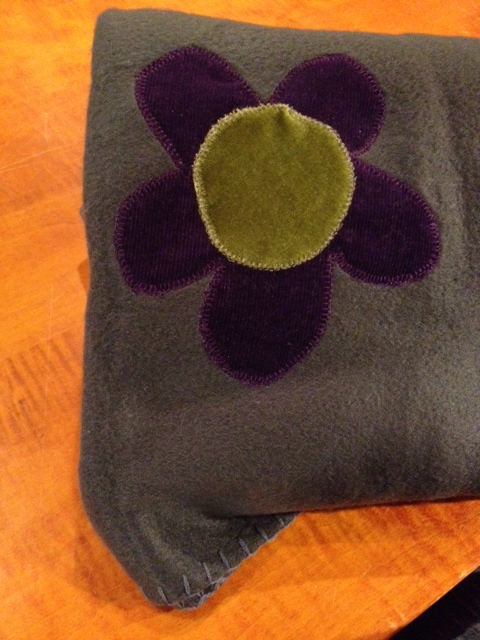
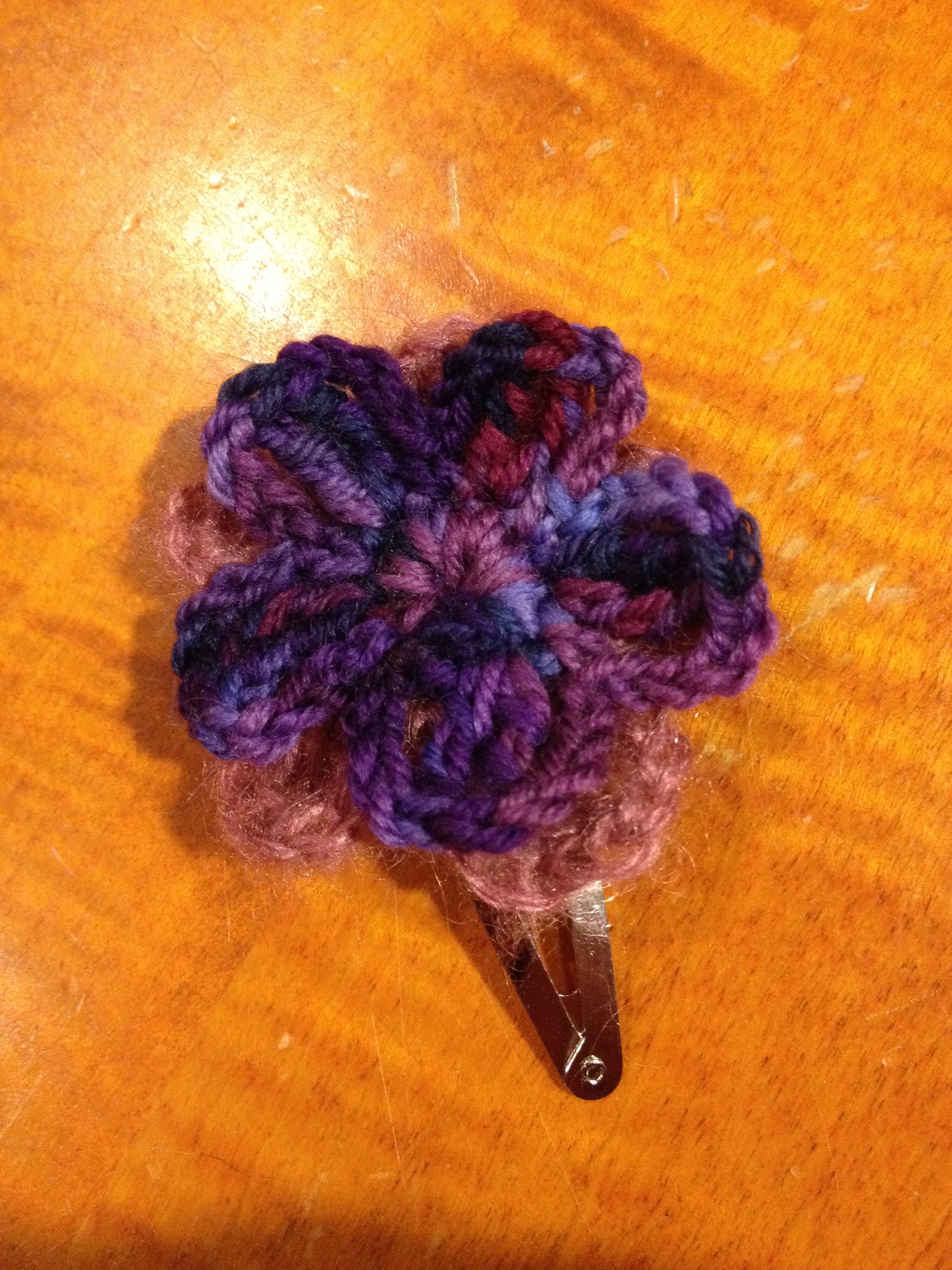
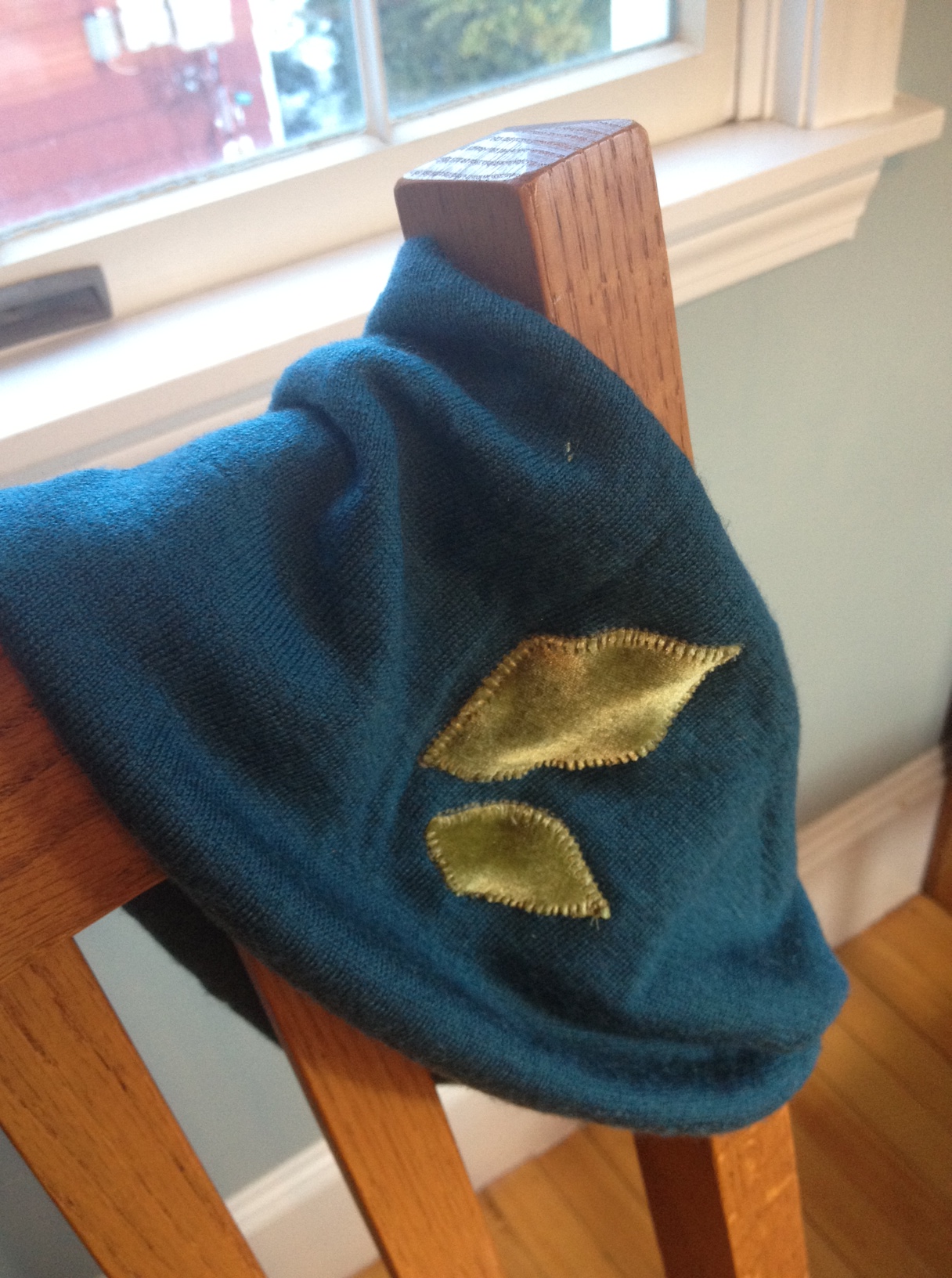
So in this spirit of clarity and kindness toward myself, I thought I’d share some of the things I made.  Details are available upon request.

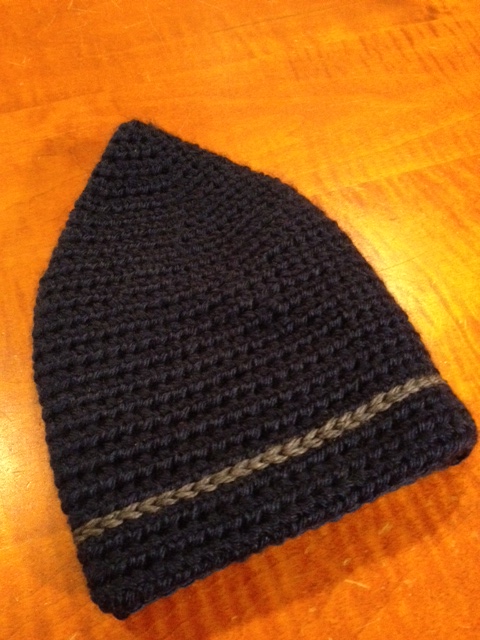
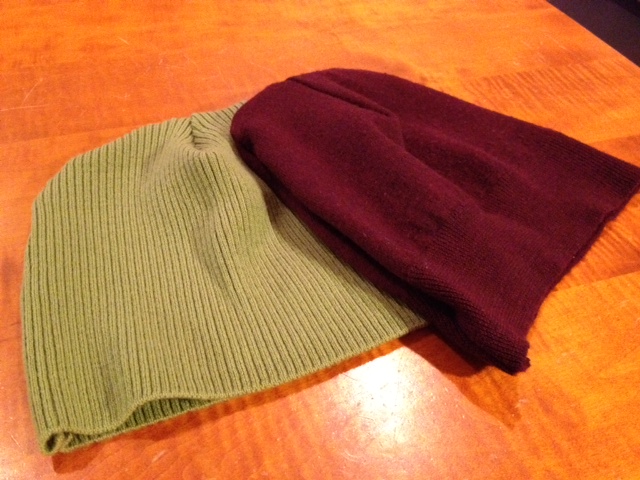
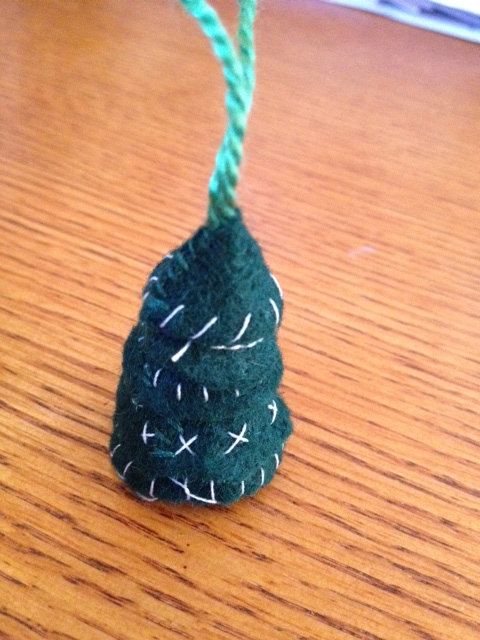
Brooke's hatConnor's tractor hat flower appliqued throw IMG_0020 Julia's red velvet scarf Kim's cowl Parker's hat sweater hats tree ornament

On sleeplessness and dishevelment

A few thoughts, if I can remember them, on the jittery, anxious, grumpy, at-loose-ends way of being that results from too many nights up with the baby.  (Wait, that sounds like some nights we’re NOT up with the baby.  Not so.  Lately it’s just a lot more.)

1. There is a direct, linear relationship between sleeplessness and depression.  And aggression.  And memory loss.  Don’t let anyone tell you otherwise, because if they do they’re an asshole.

2. Sometimes things are inappropriately funny when you are severely sleep-deprived.  Nowhere near often enough, though.

3. Eating is a basic and necessary ritual that becomes less attractive and harder to remember.  Eat something.

4. The full beauty of chronic sleep deprivation is that at some point sleep is no longer desirable, nor attainable.  Under these circumstances, it’s best to warn those around you.  Because, really, they shouldn’t be.

5. Don’t talk to anyone you have to go through a phone tree to reach.  Do not, under any circumstances, try to figure out why you’ve paid out $8000 so far this year for health costs when your family has a $5000 deductible.  It’s not good for anyone.

6. It is unlikely that your child will suffocate in his sleep — or not — simply because you are awake to hear him.  For real, my friends.

7. Potty training.  There, I said it.  Not a conversation to have under these circumstances.  Big brother will have to cope with diapers for a little longer until someone — anyone — has the fortitude to remember where the potty is, let alone get his pantsless bottom on it.

Crap.  There were others but I don’t remember them.

On intentions and resolutions and out with the old and all that

One of my more delightful projects, since leaving full-time work, has been facilitating some discussion series for the Maine Humanities Council at our local public library.  The second of those, just completed, was on the contemporary detective novel as social novel — we read Laurie King, Tony Hillerman, Eliot Pattison, and Katherine V. Forrest.  In each of these, there’s the age-old tension between the-way-things-have-always-been and the forces of modernity; scholars of postcolonial theory will recognize all the makings of hybridity, of a world that is many things, combined, and that therefore is more complex and less easily boxed up than we might like.  Hillerman says it best, in “Dance Hall of the Dead,” when a character mentions the motto over the entryway of an Indian reservation school: “Tradition is the enemy of progress.”  Under these auspices, kids were pulled from their families, beaten for speaking their native languages, and turned from their cultural heritage.

What the heck does this have to do with New Year’s?  I’ve been thinking about the innate violence of resolutions, the way many of us feel encouraged now to excise the warts of our being and stitch up the wounds ourselves.  Lose weight (you fat slob); lay off the booze (though you’ll be dead boring if you do); stop cursing (what the #*&^! for?); get a damn job (unless you’re actually as worthless as you seem).  It’s a tough time of year anyway, and when you add in all that stock-taking and all those toggle-switch models of change (flip UP for good behavior, DOWN for bad), well, it gets plain painful.  I am, however, a big fan of the “intention” — a gentler, kinder version of a resolution that seems to start from the premise of oneself as a decent, rational, perhaps even lovable being, with a desire to commit to certain shifts.  Intentions seem to make room for human foibles; they seem less apt to end up as “successes” or “failures.”  Perhaps this is because of the kinds of traditions they stem from — Buddhist, yogic, mindful, generous.  These are traditions that accept us unconditionally, that insist, in fact, upon us being always and only who we are, warts and all.   In my book, these kinds of traditions are the only possibility for progress, largely because they don’t make room for the concept of “enemy.”  There’s you, there’s me, there’s the world, and we’re all just trying to get along without mauling ourselves or each other too badly.  I intend, then, to be kinder and more accepting of myself and others; I intend to honor the old as well as the new, in others and in myself.  I intend to seek transformation and positive change in myself and others (like, for example, potty-training); I intend to love us all as hard as is humanly possible in the process.

On Frost and Other Calamities (or: a response to Newtown)

I was driving to Portland (Maine) today and was moved by the depth and consistency of frost everywhere, on everything.  And this came to me. After the day’s events (I wrote this on December 14th), which leave me stunned, horrified, aching, desperate in my fear and grief, I feel muted, like this is the only thing I have to say.

We are told the logic of it

the process by which moist air cools, freezes,

drapes itself over plants.

But you’d think it was otherwise, that

rime so even and so evenly

distributed could not come from the whimsy

of the world.  It must

emerge from the thing itself, from

a thin bitter core

osmosing outward to protect the plant,

to armor its arms before the onslaught,

the fracture, the glorious glisten.

This time, when warmth comes, they wilt into the soil.

But now, every surface bristles with glow, sculpted by chill.
Surely there are not so many contact points as that; surely 
we do not live quite that vulnerable, exposed 
to the air like sores.  Surely 
this armor must be necessary.  Surely 
there is a purpose to this hardness, this crystalline crust:  
the discovery of all our touchingness, every surface an opportunity
for damage, for light?

On birthdays

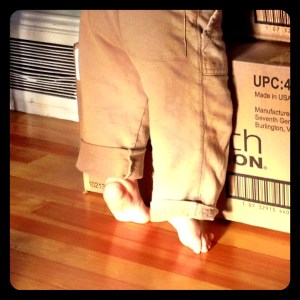
I have a friend named April who is my birthday idol.  She, like me, grew up in circumstances where it being your birthday only meant that you EXPECTED to have fun and be showered with love, not that you WOULD.  She, unlike me, became someone who designed her own birthdays to meet her expectations.  I, on the other hand, tend to struggle with Great Birthday Ambivalence, not wanting to have to plan it all myself but also wanting something I want.  You see the challenge? Chi's feet

This little struggle is one of many I hope to avoid passing on to my sons, and so I’m concentrating on thinking about their births, about their presence in my life, about their marvelous, miraculous specificity.  Above all, I’m realizing that their birthdays (especially the first one) are as much about me as about them.  All day, it’s: “at this time last year, we had just met you for the first time!”  “At this time last year, you were having your first mama-milk!”  Standing up from the table after lunch, I stretched tall and felt the usual tug of deep c-section scar tissue…and, of course, thought of how much my body has put up with for the sake of these beloved creatures.  Their birthdays are, really, a celebration of capacity, of generosity, of animal instinct and tenderness.  A rejoicing in who they are and what they love; an exploration of how the everyday makes room for the exceptional.  Best of all is seeing the older boy tend to the younger, leading not one but TWO rousing choruses of “Happy Birthday,” and actually honoring his new status as Owner-in-Chief of some pretty interesting new toys.

These are times we want to snapshot, to cordon off, as if it would help us get our hands on this slippery, uncontainable life.  But like the children themselves, they move too fast for clarity, and we’re left with a joyous blur of someone crawling at high speed toward the door.

On the sense(s) of love

Ezra, in the throes of recovery from several simultaneous dread diseases, ate something close to an actual dinner tonight. This led to a significant increase in chattiness at bedtime. In the dark, as he’s supposed to be falling asleep snuggled next to me, he offers in an enthusiastic whisper: “Mama? Red-eyed tree frogs have red toes. And they’re sticky so they can climb every something they want to climb. And they can jump every jump they want to jump.” As Kingsolver once said: “It is senseless to love anything this much.”

Here’s the thing about love: it shows up in more ways than you thought were possible.  It’s in the color of your kid’s hair and eyes; the tiny muscles of his chest; the sweet rancid smell of his morning breath; the blurred speed of his words as he tells a very important story very fast; the giggle as his baby brother pats his back for the first time.  It’s in his hearty rendering of ABC’s (both “his” version and Alpha-Pig’s version) in the back seat of the car; his intense concentration on linking up his wooden train set; his fierce insistence that the LYING DOWN tiger sticker is more important than the WALKING AROUND tiger sticker.  The stone-amber of his eyes; the quick intelligence of his mind; the unselfconsciousness of his dancing.

When he was a baby, Ezra had a tendency to touch, with one hand, a mole on my chest while he nursed.  Little did I know that that habit meant my cleavage would become his “lovey,” his touchstone, his ultimate source of comfort.  For days, now, during his illnesses, he’s been ritually grabbing for my chest, despite the fact that he hasn’t nursed in eighteen months.  And tonight, as we lay reading “The Library Lion,” he said, “Hey, Mama?  Is it okay if I take a break now?  I need to use this finger to count the children.”  In the library in the book, he meant.  I have new hope for tomorrow.